
(
)
From Everyday Things to Atomic Design: Insights from 5 UX Masters
Discover in just 3 minutes the timeless principles and modern tricks top UX designers use to create products people love
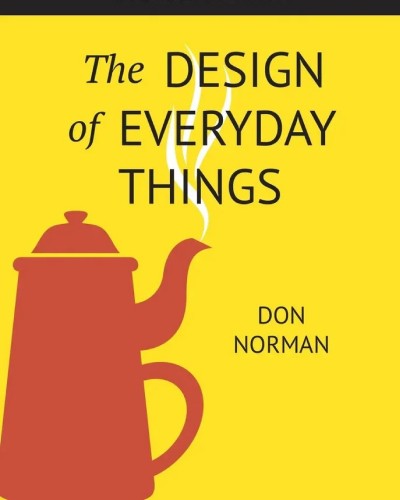
Don Norman — The Design of Everyday Things
1988, revised 2013
Summary:
Focus on usability of everyday objects and why bad design causes errors.
Key Points:
Affordances: suggest usage (e.g., push/pull doors)
Signifiers: visual cues guiding actions
Constraints: prevent errors by design
Feedback: users must see results of actions
Iterative design: test, learn, improve
Practical Examples:
Push/pull door signs — show proper affordance
Logical light switch placement — immediate feedback
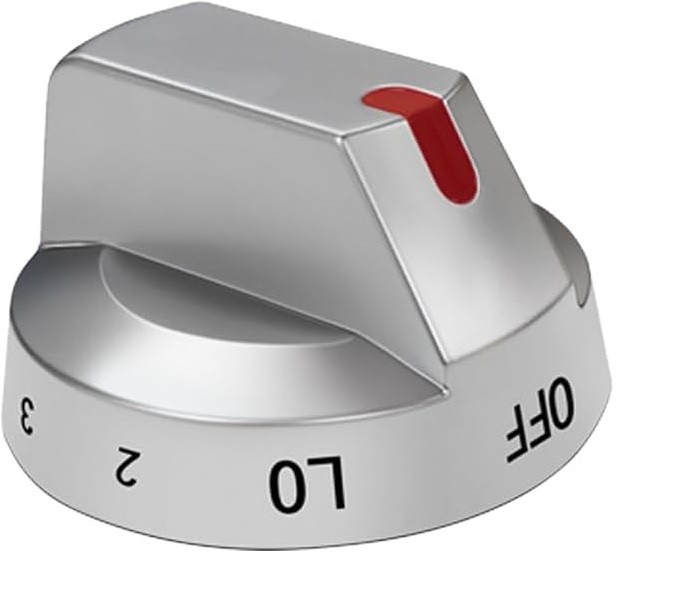
Stove knobs with clear markings — reduces mistakes
Quote:
"The design of everyday things should make the user’s experience simple and natural."
Alan Cooper — About Face
1995, 4th edition 2014
Summary:
Guides on interaction design for digital products
Focus on goal-directed design and user behavior
Key Points:
Personas to model real users
Scenarios for task-based design
Consistency, feedback, clarity, efficiency
Goal-directed design: design for user intentions
Practical Examples:

Persona “Frequent Shopper” guides e-commerce checkout design
Calendar app scenario — optimize task completion
Mobile app for booking tickets — streamline main flow based on persona needs
Quote:
"Design is about behavior — what the product does, not what it looks like."

Steve Krug — Don’t Make Me Think
1995, 4th edition 2014
Summary:
Practical guide to web usability
Emphasizes simplicity and clarity
Key Points:
Users scan, don’t read
Minimize thinking effort; make navigation obvious
Usability testing is cheap and effective
Iterative changes improve usability
Practical Examples:
Home page with obvious navigation categories
Clear, labeled buttons to avoid confusion
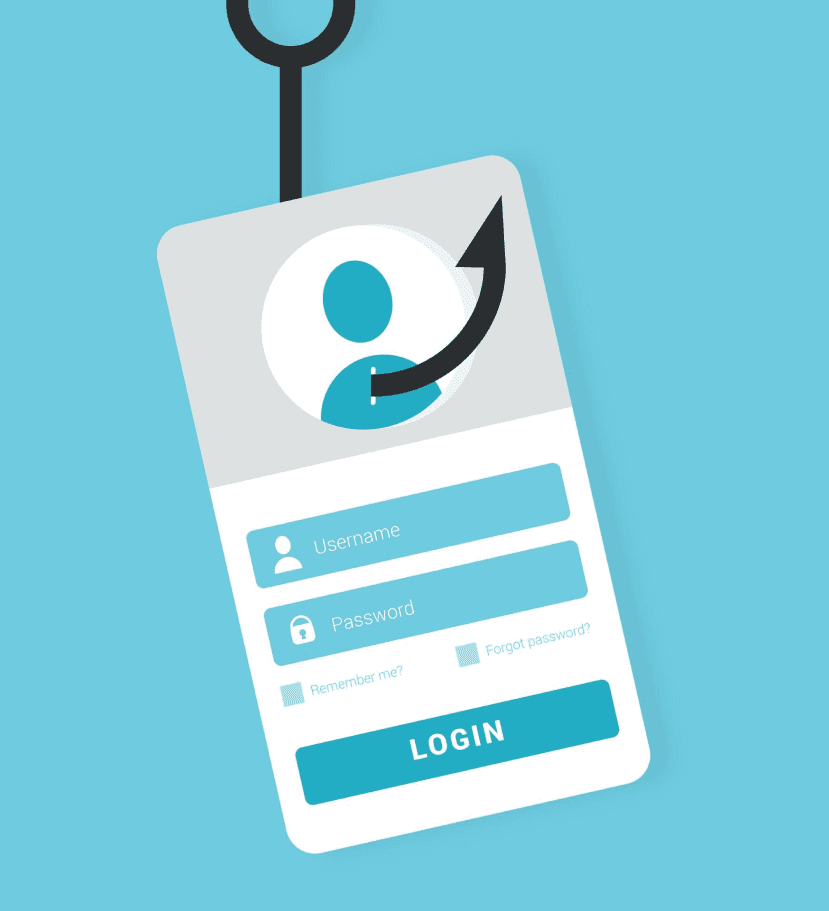
Form design with inline hints — reduces errors
Quote:
"Don’t make me think."

Jeff Gothelf — Lean UX
2013
Summary:
Focused on fast, collaborative UX in Agile teams
Learning through experimentation
Key Points:
Hypothesis-driven design
Cross-functional teams collaborate closely
Continuous feedback and user testing
MVP mindset: minimal versions first, iterate fast
Practical Examples:

Minimal prototype tested with 5 users before full build
Daily stand-ups to adjust design quickly
Rapid A/B testing for new feature interface
Quote:
"Design is a process of continuous learning, not a one-time deliverable."
Brad Frost — Atomic Design
2016
Summary:
Framework for building modular design systems
Key Points:
Atoms → molecules → organisms → templates → pages
Promotes consistency, scalability, reusability
Practical Examples:
Button component (atom) reused in forms and nav (molecules → organisms)
Navigation bar (organism) used on multiple pages
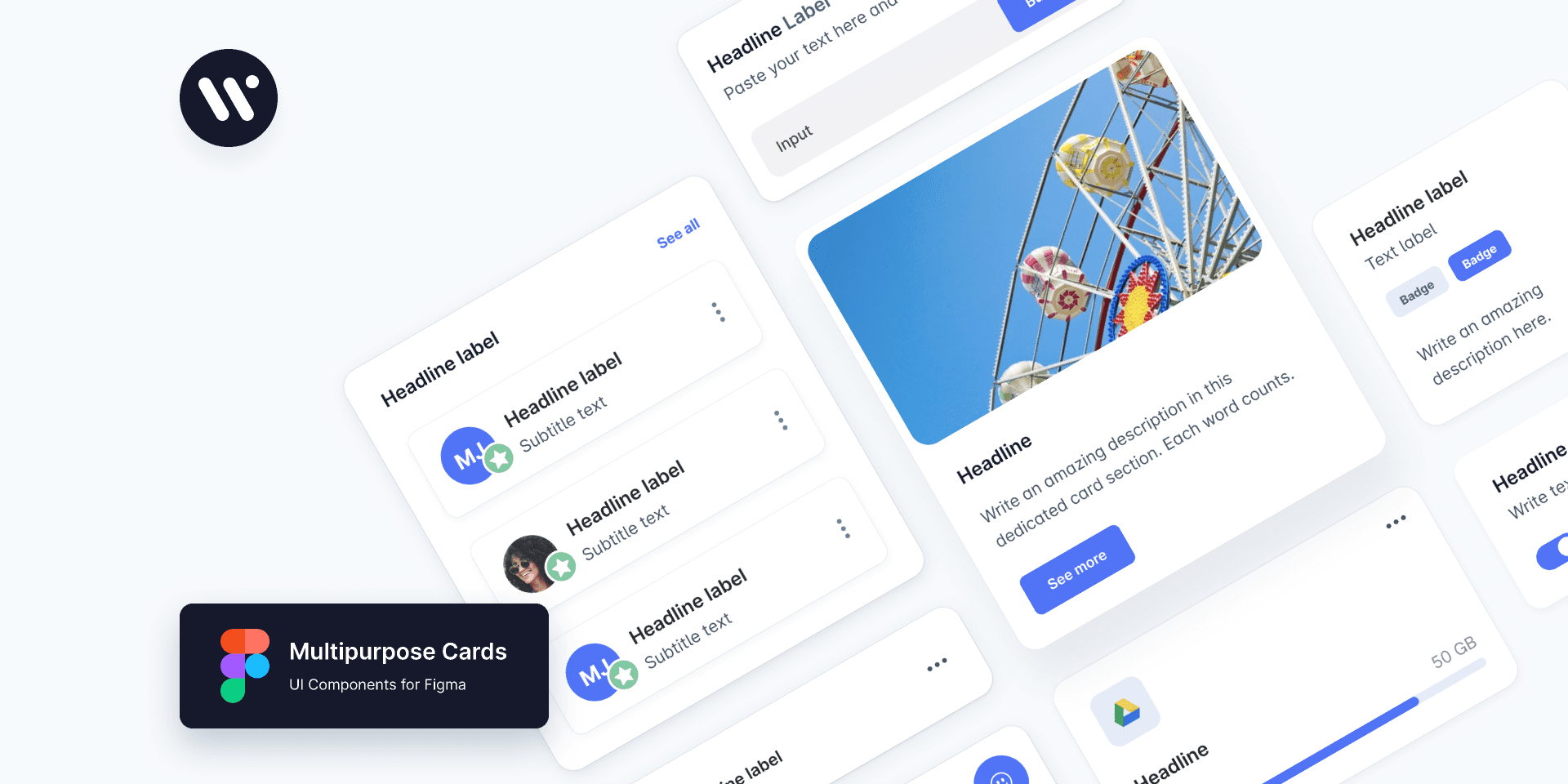
Card component (molecule) reused in product listings
Quote:
"Atomic design creates a consistent, scalable approach to UI."
More News
Explore insights, tips, and trends to elevate your brand.


(
)
From Everyday Things to Atomic Design: Insights from 5 UX Masters
Discover in just 3 minutes the timeless principles and modern tricks top UX designers use to create products people love
Don Norman — The Design of Everyday Things
1988, revised 2013
Summary:
Focus on usability of everyday objects and why bad design causes errors.
Key Points:
Affordances: suggest usage (e.g., push/pull doors)
Signifiers: visual cues guiding actions
Constraints: prevent errors by design
Feedback: users must see results of actions
Iterative design: test, learn, improve
Practical Examples:
Push/pull door signs — show proper affordance
Logical light switch placement — immediate feedback
Stove knobs with clear markings — reduces mistakes
Quote:
"The design of everyday things should make the user’s experience simple and natural."
Alan Cooper — About Face
1995, 4th edition 2014
Summary:
Guides on interaction design for digital products
Focus on goal-directed design and user behavior
Key Points:
Personas to model real users
Scenarios for task-based design
Consistency, feedback, clarity, efficiency
Goal-directed design: design for user intentions
Practical Examples:
Persona “Frequent Shopper” guides e-commerce checkout design
Calendar app scenario — optimize task completion
Mobile app for booking tickets — streamline main flow based on persona needs
Quote:
"Design is about behavior — what the product does, not what it looks like."
Steve Krug — Don’t Make Me Think
1995, 4th edition 2014
Summary:
Practical guide to web usability
Emphasizes simplicity and clarity
Key Points:
Users scan, don’t read
Minimize thinking effort; make navigation obvious
Usability testing is cheap and effective
Iterative changes improve usability
Practical Examples:
Home page with obvious navigation categories
Clear, labeled buttons to avoid confusion
Form design with inline hints — reduces errors
Quote:
"Don’t make me think."
Jeff Gothelf — Lean UX
2013
Summary:
Focused on fast, collaborative UX in Agile teams
Learning through experimentation
Key Points:
Hypothesis-driven design
Cross-functional teams collaborate closely
Continuous feedback and user testing
MVP mindset: minimal versions first, iterate fast
Practical Examples:
Minimal prototype tested with 5 users before full build
Daily stand-ups to adjust design quickly
Rapid A/B testing for new feature interface
Quote:
"Design is a process of continuous learning, not a one-time deliverable."
Brad Frost — Atomic Design
2016
Summary:
Framework for building modular design systems
Key Points:
Atoms → molecules → organisms → templates → pages
Promotes consistency, scalability, reusability
Practical Examples:
Button component (atom) reused in forms and nav (molecules → organisms)
Navigation bar (organism) used on multiple pages
Card component (molecule) reused in product listings
Quote:
"Atomic design creates a consistent, scalable approach to UI."
More News
Explore insights, tips, and trends to elevate your brand.
(
)
From Everyday Things to Atomic Design: Insights from 5 UX Masters
Discover in just 3 minutes the timeless principles and modern tricks top UX designers use to create products people love
Don Norman — The Design of Everyday Things
1988, revised 2013
Summary:
Focus on usability of everyday objects and why bad design causes errors.
Key Points:
Affordances: suggest usage (e.g., push/pull doors)
Signifiers: visual cues guiding actions
Constraints: prevent errors by design
Feedback: users must see results of actions
Iterative design: test, learn, improve
Practical Examples:
Push/pull door signs — show proper affordance
Logical light switch placement — immediate feedback
Stove knobs with clear markings — reduces mistakes
Quote:
"The design of everyday things should make the user’s experience simple and natural."
Alan Cooper — About Face
1995, 4th edition 2014
Summary:
Guides on interaction design for digital products
Focus on goal-directed design and user behavior
Key Points:
Personas to model real users
Scenarios for task-based design
Consistency, feedback, clarity, efficiency
Goal-directed design: design for user intentions
Practical Examples:
Persona “Frequent Shopper” guides e-commerce checkout design
Calendar app scenario — optimize task completion
Mobile app for booking tickets — streamline main flow based on persona needs
Quote:
"Design is about behavior — what the product does, not what it looks like."
Steve Krug — Don’t Make Me Think
1995, 4th edition 2014
Summary:
Practical guide to web usability
Emphasizes simplicity and clarity
Key Points:
Users scan, don’t read
Minimize thinking effort; make navigation obvious
Usability testing is cheap and effective
Iterative changes improve usability
Practical Examples:
Home page with obvious navigation categories
Clear, labeled buttons to avoid confusion
Form design with inline hints — reduces errors
Quote:
"Don’t make me think."
Jeff Gothelf — Lean UX
2013
Summary:
Focused on fast, collaborative UX in Agile teams
Learning through experimentation
Key Points:
Hypothesis-driven design
Cross-functional teams collaborate closely
Continuous feedback and user testing
MVP mindset: minimal versions first, iterate fast
Practical Examples:
Minimal prototype tested with 5 users before full build
Daily stand-ups to adjust design quickly
Rapid A/B testing for new feature interface
Quote:
"Design is a process of continuous learning, not a one-time deliverable."
Brad Frost — Atomic Design
2016
Summary:
Framework for building modular design systems
Key Points:
Atoms → molecules → organisms → templates → pages
Promotes consistency, scalability, reusability
Practical Examples:
Button component (atom) reused in forms and nav (molecules → organisms)
Navigation bar (organism) used on multiple pages
Card component (molecule) reused in product listings
Quote:
"Atomic design creates a consistent, scalable approach to UI."
More News
Explore insights, tips, and trends to elevate your brand.